

How to Mobilise Fat Through Movement and Nutrition
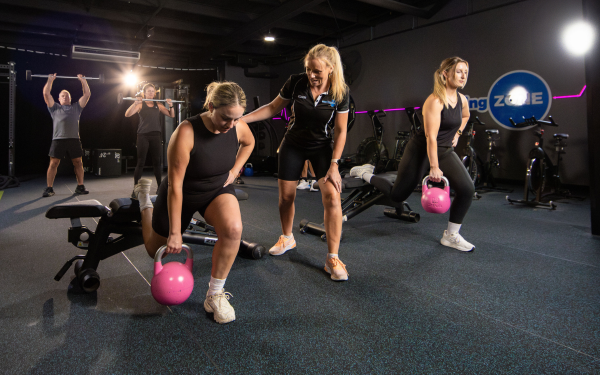
Mobilising fat is about creating the right conditions for your body to access and use stored fat as fuel. This involves strategic fitness, strength and conditioning, recovery practices, and smart nutrition choices. Here’s how to bring them together for best results:
1. Understanding Fat Mobilisation
Fat mobilisation is the process of breaking down stored triglycerides into free fatty acids for energy. This requires:
- Hormonal signals (such as insulin and catecholamines)
- Energy demand (created by exercise)
- Calorie balance (through nutrition)
2. Movement Strategies
To maximise fat mobilisation, think in terms of fitness, strength and conditioning, and recovery/mobility:
a. Fitness Training
- Complete 1–2 Coaching Zone Fitness sessions per week to build base fitness and endurance. This supports strength and conditioning movements and provides an endorphin boost for mental health.
- Add higher-intensity work sparingly (RED Zone on Myzone) to improve your anaerobic threshold and overall fitness.
- Include low-intensity steady-state cardio (walking, cycling, swimming) to encourage fat oxidation, ideal for adding extra movement during the 6-Week Challenge.
b. Strength & Conditioning
- Resistance training builds lean muscle, increasing your resting metabolic rate.
- Focus on key lifts: squats, lunges, deadlifts, presses and pulls. Pair these with functional movements to improve performance.
- Add conditioning drills (sled pushes, kettlebell swings) to enhance energy systems and fat utilisation.
c. Mobility & Recovery
- Mobility work (dynamic stretching, foam rolling and range-of-movement drills) ensures your body moves efficiently.
- Efficient movement patterns reduce injury risk and allow you to train harder and more consistently, maximising fat loss results.
3. Nutrition Strategies
- Caloric Deficit: Moderate (300–500 calories per day) for sustainable fat loss.
- Macronutrient Balance:
- Protein: 1.6–2.2 g/kg body weight to support muscle retention.
- Healthy Fats: Support hormone function (avocado, nuts, olive oil).
- Complex Carbohydrates: Fuel workouts and recovery.
- Meal Timing: Pre-workout fuel and post-workout recovery both matter.
- Insulin Management: Limit refined carbohydrates and sugars to maintain stable energy levels.
4. Lifestyle Factors
- Sleep: Aim for 7–9 hours per night to support hormonal balance.
- Stress Management: Chronic stress elevates cortisol, which can hinder fat loss.
- Hydration: Supports metabolism, performance and appetite regulation.
Key Takeaways
- Combine fitness, strength and conditioning, and mobility-focused recovery for optimal fat mobilisation.
- Pair movement with a balanced, calorie-controlled diet.
- Support your efforts with quality sleep, stress management and proper hydration.
Category List
Fitness Solutions (19)
Programs & Products (1)
fitness goals (3)
food (8)
group training (1)
recipe (2)
training (4)
Genesis Ballarat (1)
Health Advice (2)
Weight Loss (41)
Fitness (134)
genesis team (3)
Your New Beginning (11)
genesis community (5)
Exercises (2)
challenge (4)
Plank (1)
nutrition (49)
productivity (1)
wellness (98)
lifestyle (11)
self care (2)
Strength and Tone (54)
news (2)
wellbeing (2)
business (2)
strength (1)
competition (2)
weight loss transformation (1)
reformer (2)
Beginner (3)
Workout (2)
Find Your 30 (30)
franchise (3)
Yoga (3)
Rehabilitation (1)
gym owners (2)
transformation (1)
Press Release (14)
health (123)
Group (2)
Gym (5)
sleep (1)
reformer pilates (5)
Community (12)
Programs & Products (1)
fitness goals (3)
food (8)
group training (1)
recipe (2)
training (4)
Genesis Ballarat (1)
Health Advice (2)
Weight Loss (41)
Fitness (134)
genesis team (3)
Your New Beginning (11)
genesis community (5)
Exercises (2)
challenge (4)
Plank (1)
nutrition (49)
productivity (1)
wellness (98)
lifestyle (11)
self care (2)
Strength and Tone (54)
news (2)
wellbeing (2)
business (2)
strength (1)
competition (2)
weight loss transformation (1)
reformer (2)
Beginner (3)
Workout (2)
Find Your 30 (30)
franchise (3)
Yoga (3)
Rehabilitation (1)
gym owners (2)
transformation (1)
Press Release (14)
health (123)
Group (2)
Gym (5)
sleep (1)
reformer pilates (5)
Community (12)
